Understanding Home Residential Unit Operation
Backup Power Systems: Your Reliable Solution for Uninterrupted Power Supply
Backup generators serve as a vital safeguard when the power goes out. These systems operate smoothly, starting up immediately when power fails. Fueled by various energy sources, they make certain operations continue when disaster strikes. Yet, understanding their benefits and features is crucial to reaching the right conclusion. What elements need consideration prior to purchasing such a system? The subsequent parts examine these important factors.
How Standby Generators Work: Their Operation
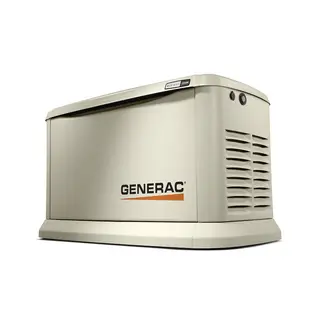
Standby generators are essential devices which deliver instantaneous reserve energy during outages. Generators are often sited on the exterior of the property, linked to the main wiring and powered by diesel, propane, or natural gas. If an electricity outage happens, the generator senses the power failure and activates within seconds. This mechanism requires a specialized transfer switch, which disconnects the home from the grid and links it to the backup unit
(Portland Standby Generators)The unit subsequently generates power, providing energy to critical systems or the complete structure, relative to its output. The majority of backup systems include an internal tracking mechanism which ensures correct operation and maintenance. They can operate for extended periods, providing a reliable power source until the public power returns. Knowing the operation of these systems enables users to see their importance in improving power reliability and reducing interruptions when the power suddenly fails
Benefits of Installing a Standby Generator
Reliability is a significant advantage of utilizing this type of generator, as it guarantees an uninterrupted power supply during blackouts. This crucial capability ensures continuous operation for properties, protecting valuable assets and maintaining comfort. Additionally, standby generators enhance safety by mitigating grid failures that may result in risky circumstances, such as frozen pipes or medical equipment failures.
Cost-effectiveness is a key positive aspect; while the initial investment may be substantial, the long-term savings from avoided food spoilage, operational downtime, and emergency repairs can be remarkable. Moreover, backup review now power systems boost the home's worth, which makes them an desirable characteristic for prospective purchasers.
The ease of use is also important, as such systems automatically activate during an outage, eliminating the need for hands-on operation. This uninterrupted functionality allows users to maintain their daily routines without hiccups. Overall, installing a standby generator delivers reassurance, assuring that power is readily accessible when needed most.
Important Attributes to Consider in a Generator Unit
When selecting a standby generator, several key features must be evaluated to guarantee peak performance and appropriateness for individual requirements. To begin with, the power output is vital; buyers must calculate the necessary power to support essential appliances during an outage. Moreover, the fuel type—whether natural gas, LP, or diesel—influences operation and operational costs.
Another important feature is the automatic transfer mechanism, which enables smooth transition of power and improves security. The robustness and construction quality are also important; a sturdy unit can withstand harsh weather conditions.
In addition, the volume of operation must be checked, as quieter models are preferable for home environments. Some generators offer auto-start functions, adding comfort during unforeseen blackouts. Finally, warranty and service options should be reviewed, ensuring dependable assistance and maintenance. By evaluating these features, prospective buyers can pick a unit that meets their unique power needs efficiently.
Key Points to Review Before Purchase
Prior to purchasing a standby generator, customers should diligently assess a few vital considerations to ensure they reach an well-considered conclusion. Portland Standby Generators. To start, they must assess their power needs by figuring out the necessary capacity to power essential devices during an outage. Secondly, the type of fuel is critical; options include natural gas, propane, or diesel, each with unique advantages and supply concerns
Furthermore, customers need to examine the generator's transfer switch, which allows for smooth energy changeover. Installation necessities must also be considered, as some generators could demand a certified installation or the securing of permits
Warranty and service options should not be overlooked, because they influence long-term satisfaction. To conclude, those considering a purchase must check how loud the generator is, above all if they are located in a housing development. When reviewing these aspects, consumers can select a backup power unit that perfectly suits their unique needs and expectations
Maintenance Tips for Your Standby Generator
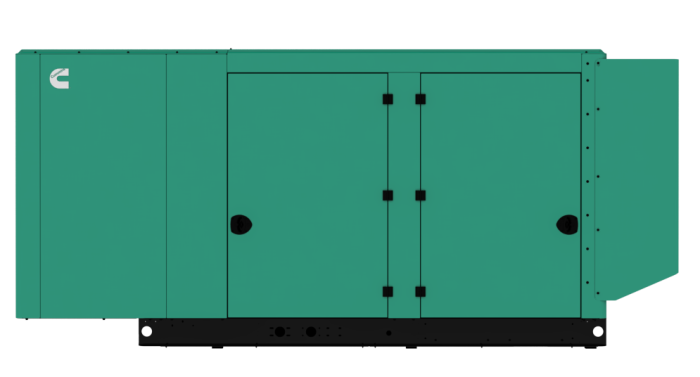
Routine servicing is crucial to ensure optimal functioning and the long life of a backup generator. Owners should begin by inspecting the generator's oil levels, changing the oil and filter according to the manufacturer's recommendations. Regularly check the air filter and change it when needed to ensure proper air circulation. You should also test the battery and clean any corrosion on terminals to keep the starting power consistent.
Run load tests from time to time to confirm the generator can handle its rated capacity. Additionally, verify that the exhaust is clear of blockages and leaks. Maintaining a clean, debris-free generator will help prevent overheating and other issues.
Lastly, book professional upkeep at least once a year to fix any issues that might arise and conduct thorough checks. By using these maintenance practices can greatly extend the lifespan of a standby generator, giving you confidence when the power goes out.
Frequently Asked Questions
What is the Average Cost of Standby Generators?
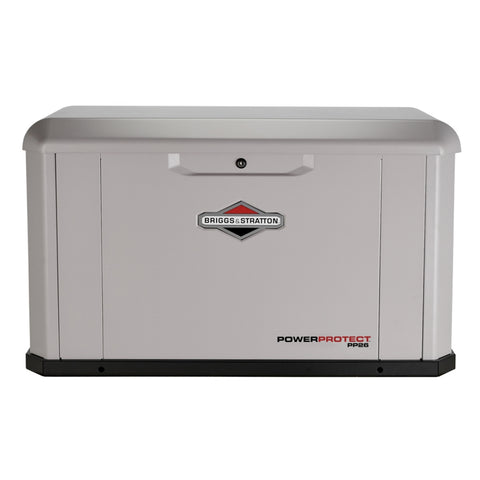
Standby generators typically cost in price from $2,000 to $15,000, depending on factors such as power output, brand, and installation complexity. Additional expenses may include fuel tanks, permits, and ongoing maintenance, influencing the overall investment required.
Is Self-Installation of a Standby Generator Possible?
It is possible to install a standby generator yourself, but you must have knowledge of local regulations and electrical systems. Many recommend getting a contractor to guarantee safety, conformance, and the best operation of the generator installation.
What Energy Sources Do Standby Generators Use?
Standby generators typically use fuels such as gasoline, propane, natural gas, or diesel. Portland Standby Generators. The choice of fuel is frequently influenced by the cost, availability, and particular power requirements, influencing the efficiency and performance of the generator
Are There Any Permits Required for Installation?
Yes, permits are often required for the installation of standby generators. Rules differ depending on the area, so it is vital for those installing the unit to consult local authorities to verify conformance with all relevant codes and requirements.
What is the Maximum Continuous Runtime Continuously?
A standby generator can run continuously for different lengths of time, usually between 24 and 48 hours, depending on fuel supply and load demands. Consistent servicing provides optimal functioning and extended lifespan during extended operation periods.